OSCARS WATCH 2026—“Some Achieve Greatness”: Shakespeare, the Prestige Mediator in 'Hamnet'

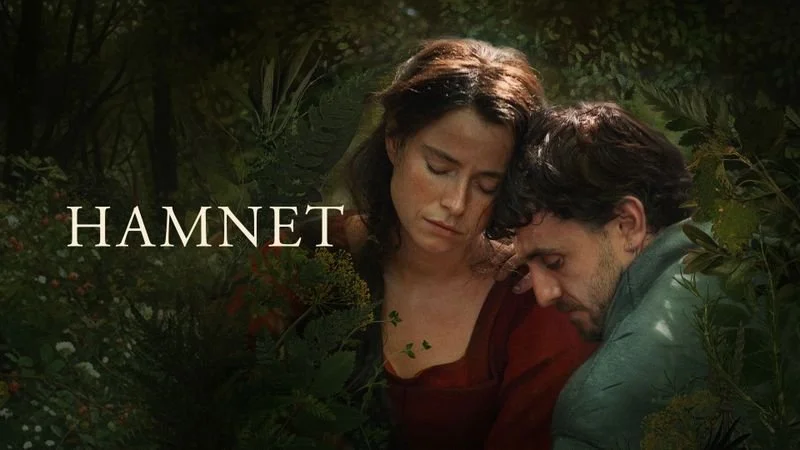
OSCARS WATCH 2026—“Some Achieve Greatness”: Shakespeare, the Prestige Mediator in 'Hamnet'

This piece is part of a series of critical responses based on the films nominated for the 98th Academy Awards. In this contribution, Lauren Sowa considers recent commentary around the popularity of opera and theatre compared with film through a focus on Shakespeare and Hamnet.

Read More

OSCARS WATCH 2026—One Allusion After Another: Paul Thomas Anderson as Cinephile and Curator in ‘One Battle After Another’

OSCARS WATCH 2026—One Allusion After Another: Paul Thomas Anderson as Cinephile and Curator in ‘One Battle After Another’

This piece is part of a series of critical responses based on the films nominated for the 98th Academy Awards. In this contribution, Tara Lomax explores how Paul Thomas Anderson uses the New Hollywood allusionism in One Battle After Another to invoke signification and expression in the film through cinephiles and curation.

Read More

OSCARS WATCH 2026—It’s Not an Accident: Restrictions Informing Stylistic Choices in Jafar Panahi’s 'It Was Just an Accident'

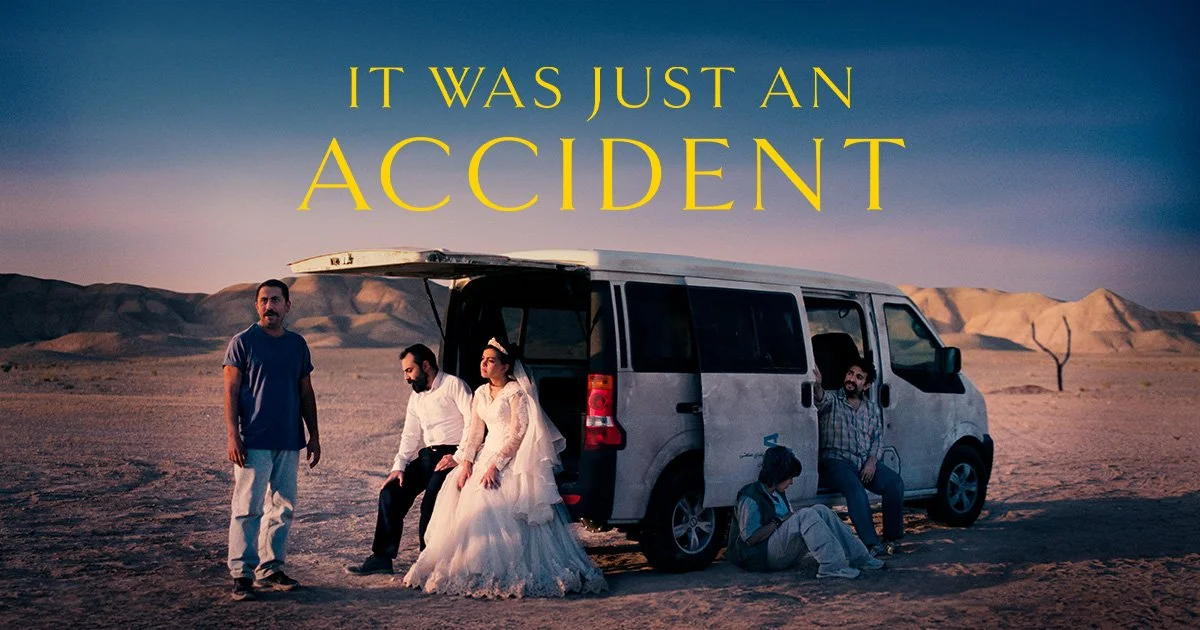
OSCARS WATCH 2026—It’s Not an Accident: Restrictions Informing Stylistic Choices in Jafar Panahi’s 'It Was Just an Accident'

This piece is part of a series of critical responses based on the films nominated for the 98th Academy Awards. In this contribution, Melanie Robson analyses how elements in director Jafar Panahi's cinematic approach that were once only a practical response to restrictions—filming in vehicles, working in small crews, and prioritising rural over urban locations—have cemented themselves in his style. In It Was Just an Accident, which is nominated for Best International Film, they don’t feel like limitations but choices that enrich the film’s visual presentation. 

Read More

OSCARS WATCH 2026—'F1' and Persisting Assumptions of Quality

OSCARS WATCH 2026—'F1' and Persisting Assumptions of Quality

This piece is part of a series of critical responses based on the films nominated for the 98th Academy Awards. In this contribution, Duncan McLean reflects on F1: The Movie being nominated for Best Picture and how this provokes persistent assumptions about quality associated with the Oscars.

Read More

OSCARS WATCH 2026—Thoughts on the Oscars from Someone Who Wrote a Book About Them

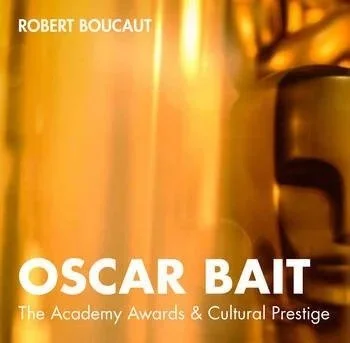
OSCARS WATCH 2026—Thoughts on the Oscars from Someone Who Wrote a Book About Them

This piece is part of a series of critical responses based on the films nominated for the 98th Academy Awards. In this commentary piece, Robert Boucaut about the Oscars 2026 season, building from threads of his recent monograph Oscar Bait: The Academy Awards & Cultural Prestige (2025, Routledge). It considers the relevance of the Oscars for audiences in today’s attention and money economies. Alongside opinions on this year’s nominees, Boucaut underline points of interest in films and performances echoing the continuing tensions or narratives of recent Oscars.

Read More

OSCARS WATCH 2025 – The Substance: Youth, Body, Women, Success (Part Two)

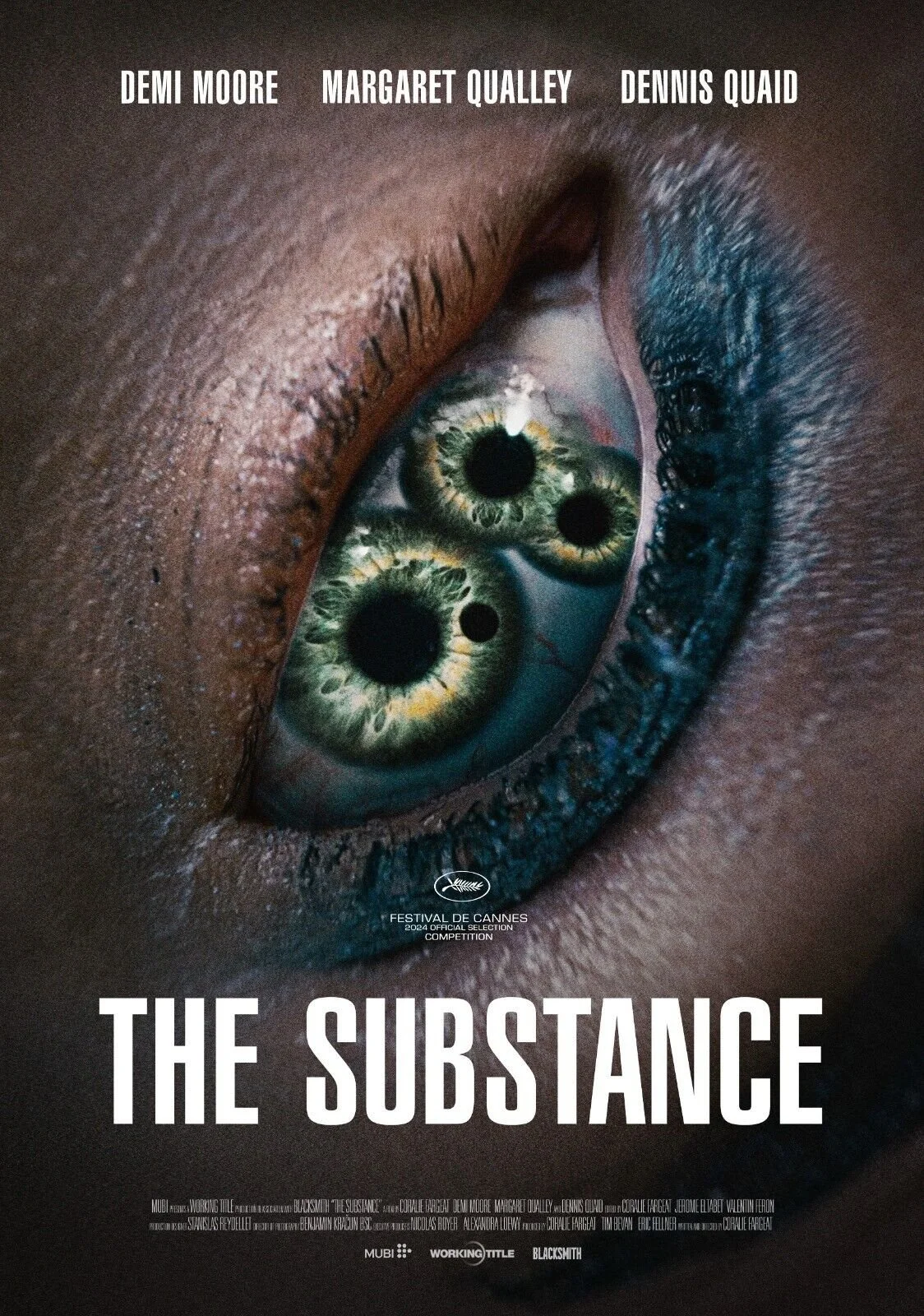
OSCARS WATCH 2025 – The Substance: Youth, Body, Women, Success (Part Two)

This piece is part of a series of critical responses to the films nominated for Best Picture at the 97th Academy Awards. In this in-conversation piece, Do Own (Donna) Kim, Utsav Gandhi, and Gabrielle Roitman exchange critical, intercultural, and personal readings of The Substance (2024). In Part One, Donna opened the conversation with the “love yourself :(“ South Korean (henceforth Korean) Internet meme. Now, in Part Two, Gabrielle and Utsav expand on her reading by exploring other connections, from American pop culture to immigrant experiences and queer bodies. “Have you ever dreamt of a better version of yourself? Younger. More beautiful. More perfect….The one and only thing not to forget: you are one. You can’t escape from yourself.” (excerpt from “The Substance” product introduction video) Is “love yourself” the solution? Can we? How? We welcome you to join our conversation.

Read More

OSCARS WATCH 2025 – A Complete Unknown: A Conversation With Jonathan Taplin

OSCARS WATCH 2025 – A Complete Unknown: A Conversation With Jonathan Taplin

This post is part of a series of critical responses to the films nominated for Best Picture at the 97th Academy Awards. The following is an edited extract of a recording made recently for the production of the How Do You Like It So Far? Podcast, hosted by Henry Jenkins and Colin Maclay. Our guest is Jonathan Taplin, an American writer, film producer and scholar. Taplin is the Director Emeritus of the Annenberg Innovation Lab at the University of Southern California Annenberg School for Communication and Journalism and Chairman of the Board of the Americana Music Foundation. Taplin's early production work included producing concerts for Bob Dylan and The Band. In 1973, he produced Martin Scorsese' first major feature film, Mean Streets. In this excerpt from our upcoming podcast episode, we discussed A Complete Unknown (2024), what it was like to be at the Newport festival (which is the climax of the film), and how Taplin sees the current state of American popular culture. We will post here when the episode is released.

Read More

OSCARS WATCH 2025 – Political Fears and Fantasies in Edward Berger’s Conclave

OSCARS WATCH 2025 – Political Fears and Fantasies in Edward Berger’s Conclave

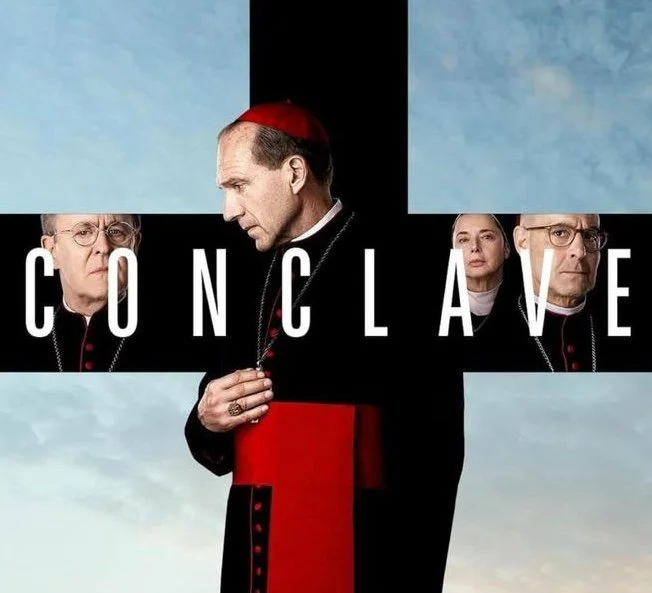
This post is part of a series of critical responses to the films nominated for Best Picture at the 97th Academy Awards. The political thriller is a genre that most effectively exists in close proximity to history. Regardless of whether its narratives are based on actual events, they draw on the political fears and paranoias of an era. It is why, historically, we have seen the genre congregate around moments of significant political tension or fear. We live in such an era now, with the divisive unorthodoxy of Trump being but the most prominent of numerous international examples of the growing divide between left and right and a breaking down of previously accepted political norms. That being the case, it should not be surprising to see a political thriller, Edward Berger’s Conclave, find its way into what is a notably political Best Picture field for this year’s Academy Awards.

Read More

OSCARS WATCH 2025 – I’m Still Here: A Harrowing Retelling and Warning

OSCARS WATCH 2025 – I’m Still Here: A Harrowing Retelling and Warning

This piece is part of a series of critical responses to the films nominated for Best Picture at the 97th Academy Awards. Fouquet weaves connections between nominees I'm Still Here, A Complete Unknown, and The Apprentice as well as real-world political events in Brazil and the United States. She questions whether we are ready today to prevent the tragedy that befell the Paivas and the hundreds of families affected by disappeared Brazilians, as there is every sign of history repeating itself.

Read More

OSCARS WATCH 2024 — Video Essay Reflections on Character in ‘Oppenheimer’ (2023)

OSCARS WATCH 2024 — Video Essay Reflections on Character in ‘Oppenheimer’ (2023)

This piece is part of a series of critical responses to the films nominated for Best Picture at the 96th Academy Awards. This post features two video essays responding to Oppenheimer, one by Kai after Kai and one by Ella Wright. Both focus in on the film's depiction of character, asking how we are meant to understand them in moral terms. I encourage you to pay particular attention to the sound in each piece, the careful dichotomies between loudness and silence in “Fission, Fusion, and Character in Oppeneheimer” and the menacing yet also space age-y melodies of Kai after Kai’s original music in “The Guilt of Oppenheimer.” Both essays use sound to reinforce their critical points, rather than simply to ground their audiovisual timelines--an example of the sophisticated analysis going on in the world of video essays and videographic criticism.

Read More

OSCARS WATCH 2024 — Feminist Frankensteins

OSCARS WATCH 2024 — Feminist Frankensteins

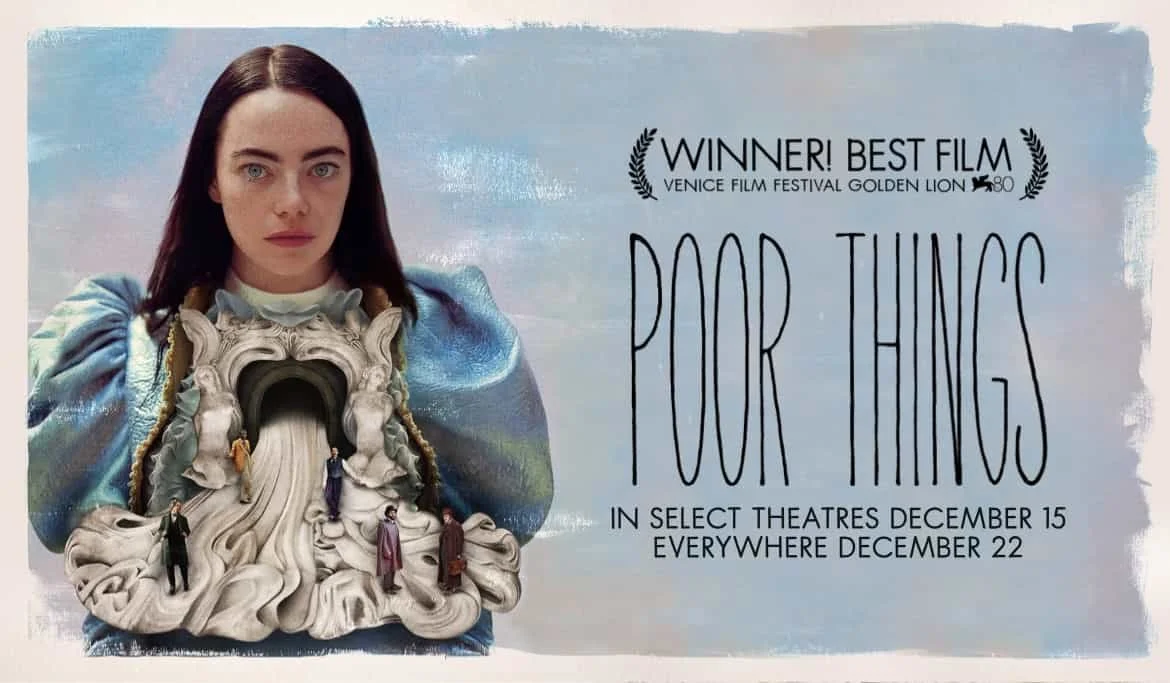
This piece is part of a series of critical responses to the films nominated for Best Picture at the 96th Academy Awards. In this dialogic post, Henry Jenkins and Kris Longfield dissect three recent feminist re-tellings of Mary Shelley's Frankenstein: Lisa Frankenstein, The Angry Black Girl and Her Monster, and Poor Things. By centering women in traditionally male roles, these newer Frankenstein films ask different kinds of questions, renewing the story by mapping alternative meanings onto its core figures.They're continually asking “what are we taking from the past and what are we taking from the present?” so their leading ladies can solve problems.

Read More

OSCARS WATCH 2024 — “Based on ‘Barbie’ by Mattel”: Adaptation, Franchising, and 'Barbie' (2023)

OSCARS WATCH 2024 — “Based on ‘Barbie’ by Mattel”: Adaptation, Franchising, and 'Barbie' (2023)

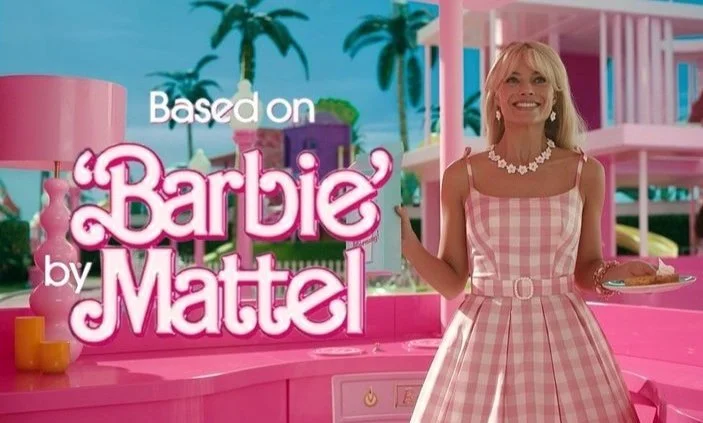
This piece is part of a series of critical responses to the films nominated for Best Picture at the 96th Academy Awards. Barbie is nominated in eight categories in the 2024 Oscars, including Best Picture and Best Adapted Screenplay. This critical response has been provoked by the discourse surrounding its eligibility in the Adapted Screenplay category, rather than Original Screenplay, and explores questions of adaptation and franchising in Barbie. The Barbie doll’s perceived lack of story or character suggests that Barbie is an original screenplay, but it is still based on a pre-existing intellectual property and an opening title card recognizes that Barbie is “Based on ‘Barbie’ by Mattel”. As an adaptation and a franchise Barbie draws from a material, industrial and historical story that works in concert with the polysemic, ambiguous and open nature of Barbie as a toy. Barbie is therefore shaped by the creative interpretation of Barbie as a culturally iconic toy and ‘Barbie’ as a franchise property owned by Mattel.

Read More

OSCARS WATCH 2024 — 'The Holdovers': A Crash Course on Using Vintage Sensibilities the Right Way

OSCARS WATCH 2024 — 'The Holdovers': A Crash Course on Using Vintage Sensibilities the Right Way

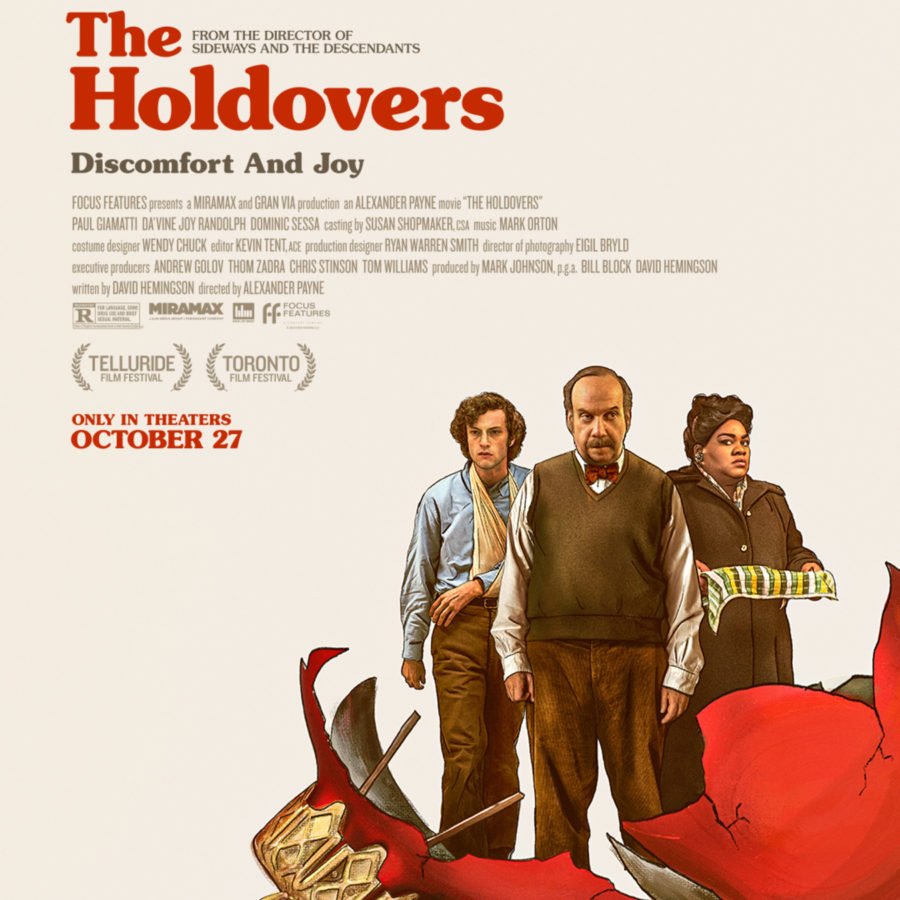
This is the latest in a series of critical responses to the films nominated for Best Picture at the 96th Academy Awards. It is unbelievably easy for a film to come across as corny when attempting to put on the vintage aesthetic—also known in some fan circles as nostalgiacore. The term “nostalgia bait” has even been coined in recent years to signify works of new media that maraud retro sensibilities for the sheer sake of suckering audiences into a hollow experience. As frustrating and soulless as instances of nostalgia bait are, films that pull off the vintage look with purpose have the potential to be something quite special. Alexander Payne’s new witty coming-of-age drama, The Holdovers (2023), serves as a crash course in how to answer the crucial question every nostalgically aestheticized film must be asked: what’s the point?

Read More

OSCARS WATCH 2024 — 'Killers of the Flower Moon' (2023)

OSCARS WATCH 2024 — 'Killers of the Flower Moon' (2023)

This is the latest in a series of critical responses to the films nominated for Best Picture at the 96th Academy Awards. It often felt to me as though Killers of the Flower Moon was being treated in press coverage like a referendum on the history of Indigenous representation in Hollywood cinema. Can a filmmaker with Martin Scorsese’s clout return to traditionally the most fraught genre vis-à-vis Indigenous representation (the western), tell a particularly devastating true story in the history of Indigenous-settler relations, and finally get it right? And, even if the film did “get it right” (which is destined to be a contentious claim no matter the outcome), would the industry at large recognize and celebrate it? Either way, the impending ceremony feels like an auspicious occasion to revisit precisely the way in which Killers of the Flower Moon actually structures its own approach to representation. Because, quite frankly, that might be the most interesting aspect of the film.

Read More

OSCARS WATCH 2024 — World on Fire: Reflections on 'Oppenheimer' (2023) and Contemporary Hollywood

OSCARS WATCH 2024 — World on Fire: Reflections on 'Oppenheimer' (2023) and Contemporary Hollywood

Welcome to the first of a series of critical responses to the films nominated for Best Picture at the 96th Academy Awards. This piece explores the timeliness of Christopher Nolan’s Oppenheimer (2023), a biopic about the so-called “father of the atomic bomb”, by relating the film’s story and imagery to the contemporary threat of nuclear war, judged to be greater than at any time before by the Bulletin of Atomic Scientists setting its Doomsday Clock to 90 seconds to midnight. In addition to indicating the film’s impressive success with critics, the piece explores the film’s chances at this year’s Academy Awards with regards to the Academy’s love of biopics and of Nolan. Oppenheimer’s surprising commercial success is situated within decades-long trends at the global box office. The film marks a triumphant return to the tradition of blockbusting historical epics, combines talking heads with spectacular visual effects imagery, places 20th century science and engineering within a mythological framework, and raises many questions about its protagonist, steadfastly refusing to provide clear cut answers.

Read More