IPDW2025—Making the Invisible Visible: New Book Celebrates and Reframes Production Design

IPDW2025—Making the Invisible Visible: New Book Celebrates and Reframes Production Design

To celebrate International Production Design Week (IPDW) between October 17th-26th, Pop Junctions presents a range of contributions related to the craft of production design, with particular focus on the art of world-building and the creativity and culture of production design practice. IPDW is an initiative led by the Production Designers Collective and involves a calendar of events that showcase production design around the world.

In this contribution, UK-based Production Designer Jane Barnwell introduces the forthcoming open-access collection, Perspectives on Production Design: Practice, Education and Analysis (University of Westminster Press, 2026), co-edited with Jo Briscoe and Juliet John. The book brings together voices from across industry and academia to illuminate the creativity, challenges and cultural impact of production design. This contribution signposts some of the book’s central concerns: how production design is practiced, taught, critically analysed, and why it matters to the wider ecology of film and media studies.

Read More
EMMYS WATCH 2025 — Severance: A Present Tense Dystopia

EMMYS WATCH 2025 — Severance: A Present Tense Dystopia

‘Emmys Watch 2025’ showcases critical responses to the series nominated for Outstanding Drama, Outstanding Comedy, and Outstanding Limited Series at that 77th Primetime Emmy Awards. Contributions to this theme explore critical understandings of some series nominated in these categories. This video essay explores the place of Outstanding Drama Series nominee Severance (Apple TV+) in the genre of science fiction TV. Severance continues the recent trend of dystopian sci fi shows grounded in a near future, using a ‘mystery box’ narrative structure and demanding an intellectual, committed audience enabled by streaming platforms. This video analyses the visual ways the show builds its dystopian world: a world that feels intensely relatable and present, but simultaneously a horrific warning of technological potential.

Read More

EMMYS WATCH 2024 – Fit for a Queen: The Final Season of 'The Crown' and Its Royal Fans

EMMYS WATCH 2024 – Fit for a Queen: The Final Season of 'The Crown' and Its Royal Fans

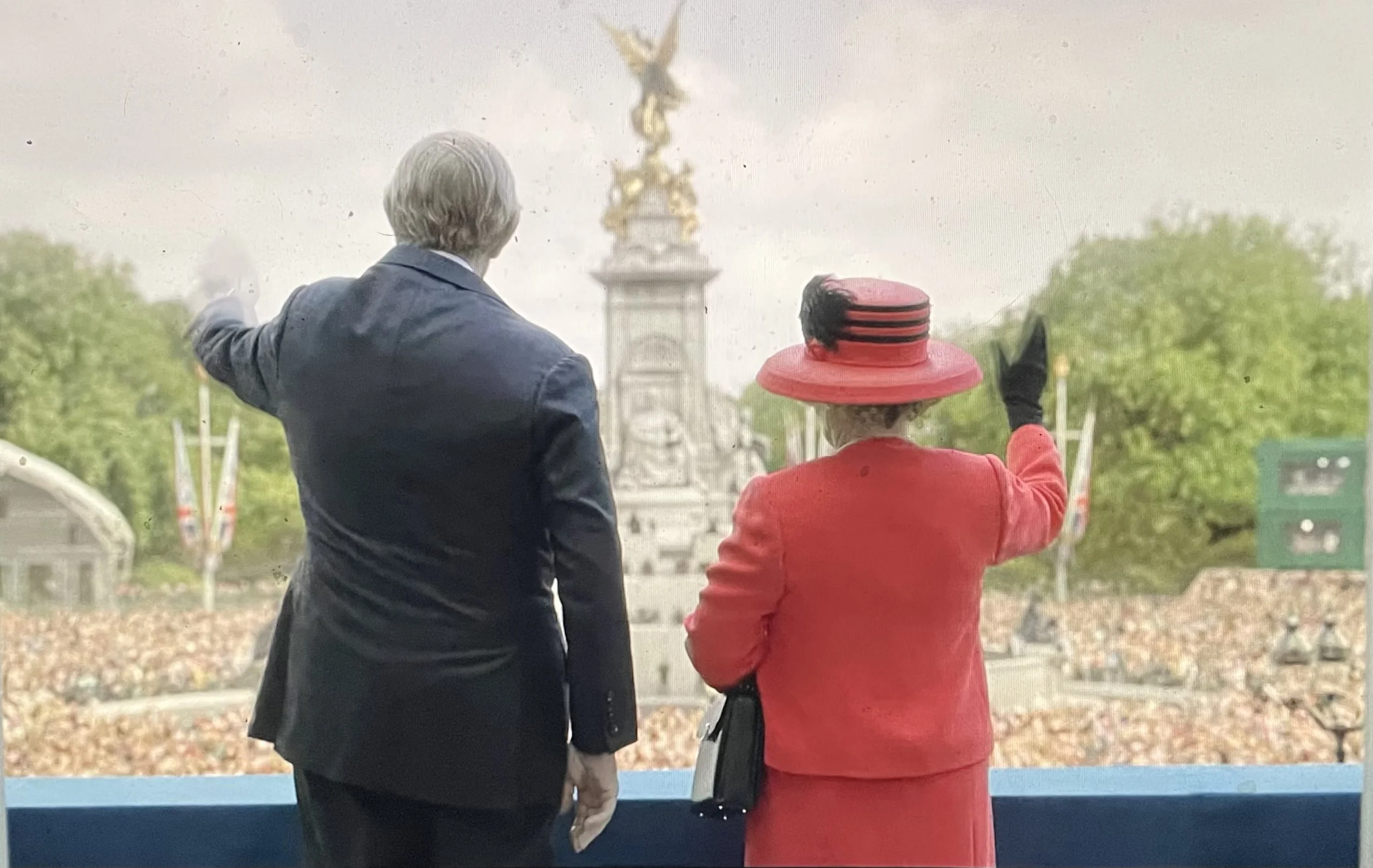
This piece is part of a series of critical responses to the series nominated for Outstanding Drama Series and Outstanding Comedy Series at the 76th Emmy Awards. The final season of the Netflix series The Crown concludes a series spanning sixty years in the lives of the British royal family, the Windsors. From the death of Diana, Princess of Wales, to Queen Elizabeth II’s Golden Jubilee, this season repeatedly engages with stories about how fans impact the lives of the royal family, for good or for bad. The series itself blurs the lines between history and fan fiction. Though considered prestige television, often nominated for awards and celebrated by critics, The Crown is at heart a culturally sanctioned form of royal fandom that contributes to the ongoing fascination with the British monarchy.

Read More

Chernobyl a Miniseries Between “Reality” and “Television”

Chernobyl a Miniseries Between “Reality” and “Television”

Chernobyl (HBO – SKY, 2019) is a miniseries inspired by the real fact (or, rather to say, by the huge amount of historical, journalistic, administrative and scientific documents available on the subject) and also, in part, by the book Prayer for Chernoby by Svetlana Aleksievic. Miniseries are one of the most popular formats in current television production. They are characterised by a closure at the end of the planned episodes and are therefore also called limited series.

Read More

Chernobyl Miniseries Polarizations: Good/Bad, Rational/Emotional

Chernobyl Miniseries Polarizations: Good/Bad, Rational/Emotional

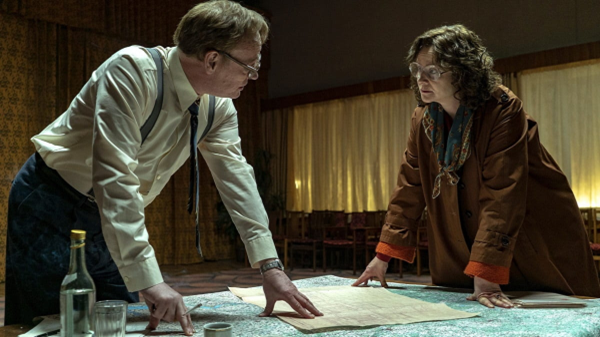
Plots in Television series are often based on polarizations, in other words, on binary oppositions, which are extremely simple to follow. The miniseries Chernobyl brings into play a distinct clash between good and evil. The main opposition spectators are faced with is an ethical one, between the good guys, the scientists Valery Legasov and Ulana Khomyuk, who heroically try to limit the damage of the disaster, and the bad guys, the technicians of the nuclear plant Anatoly Dyatlov, Viktor Bryukhanov and Nicolai Fomian, who due to their incompetence and arrogance are the cause of the accident. Amongst the bad guys, various institutions can be placed like the government and the KGB, which have hidden and are still continuing to hide the deplorable mistakes made in the plant construction.

Read More