GLOBAL GENRES—Genre Mixing and Spatiality in Twilight of the Warriors: Walled In

GLOBAL GENRES—Genre Mixing and Spatiality in Twilight of the Warriors: Walled In

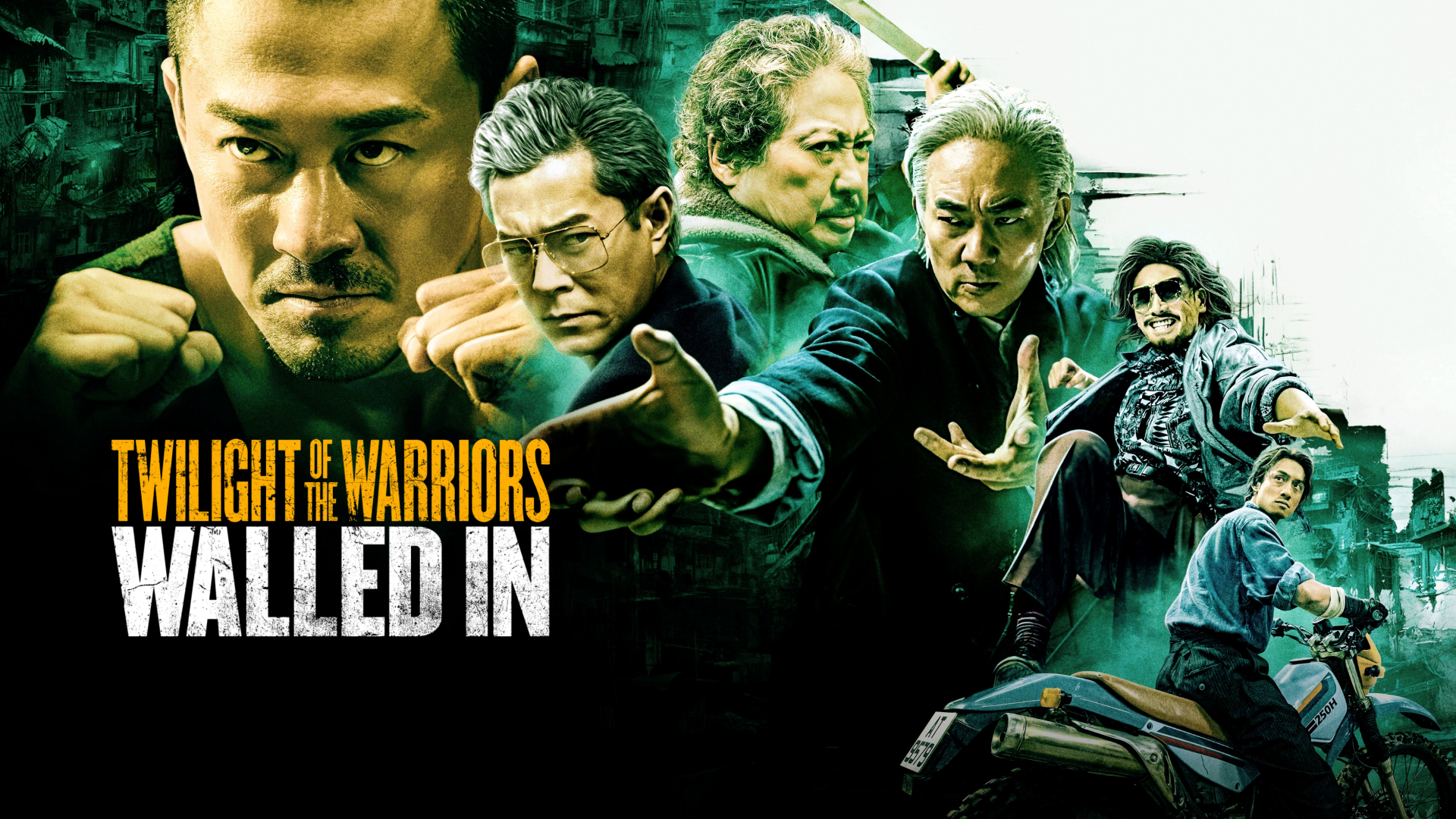
This post is part of a series of essays that emerged from Henry Jenkins’ doctoral seminar on global genres at the University of Southern California. In this contribution, Georgiana Yasumura considers how Kowloon Walled City (KWC, also known as the “city of darkness”) is its own independent character within Hong Kong media. KWC’s spatial presence across Hong Kong’s global mediascapes reveals more than a visually haunting, post-apocalyptic fortress; it also draws attention to issues of nationhood, personal liberation and social justice that are integral to the genre of cross-border film.

Read More


GLOBAL GENRES—In the Light of Guilt: Transnational Noir and Moral Ambiguity in Erik Skjoldbjærg’s Insomnia

GLOBAL GENRES—In the Light of Guilt: Transnational Noir and Moral Ambiguity in Erik Skjoldbjærg’s Insomnia

This post is part of a series of essays that emerged from Henry Jenkins’ doctoral seminar on global genres at the University of Southern California. In this contribution, Lauren Reel considers how nordic noir translates the darkness of film noir into lightness.

Read More

GLOBAL GENRES—Thinking about Genre: What Makes a Movie “Religious”?

GLOBAL GENRES—Thinking about Genre: What Makes a Movie “Religious”?

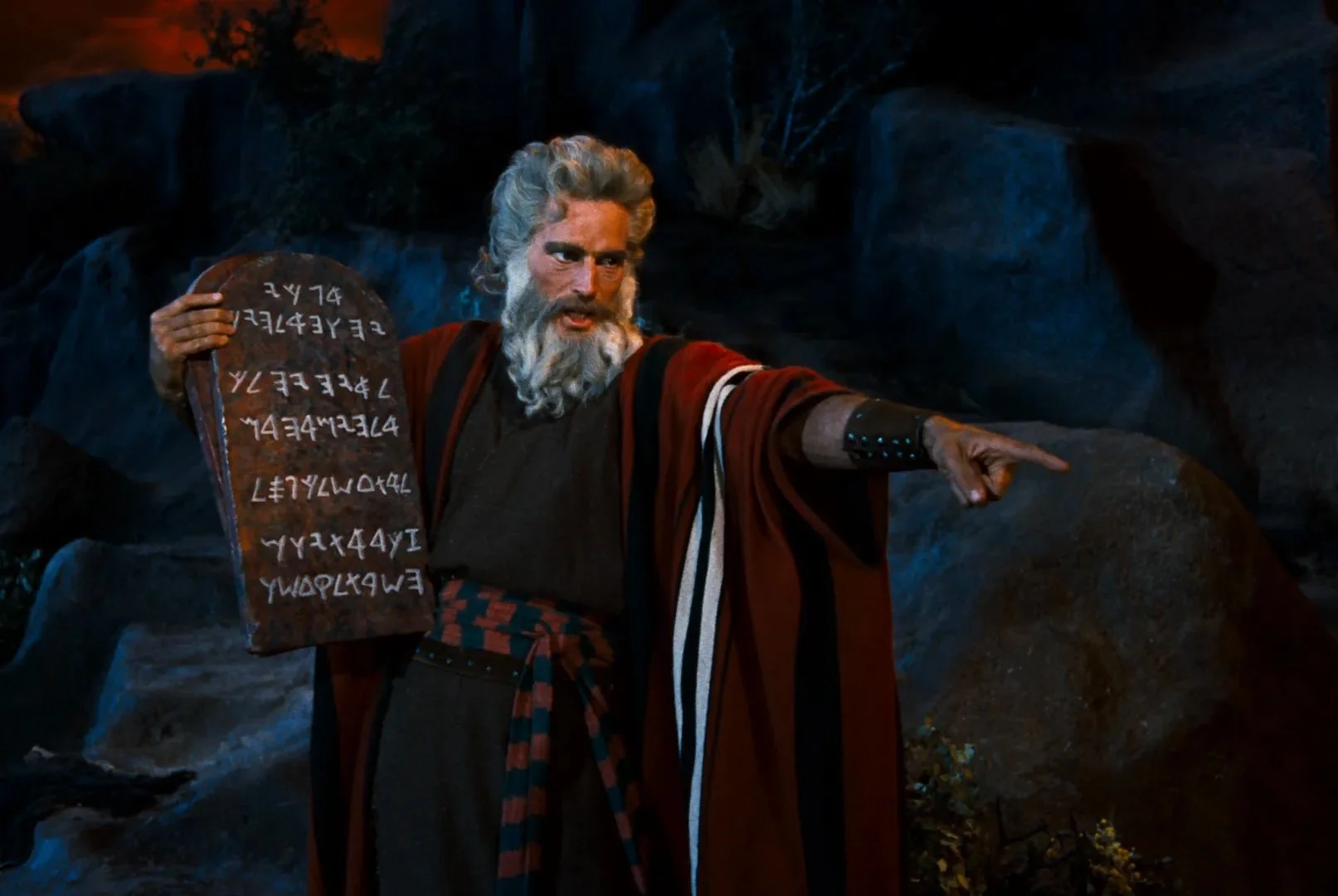
This post is part of a series of essays that emerged from Henry Jenkins’ doctoral seminar on global genres at the University of Southern California. In this contribution, Christian Pattavina employs ideas about genre to question what it means for films to be ‘religious’.

Read More

GLOBAL GENRES—My Whole Bloody Affair: Why Kill Bill Vol. 1 is Punker than Kill Bill Vol. 2

GLOBAL GENRES—My Whole Bloody Affair: Why Kill Bill Vol. 1 is Punker than Kill Bill Vol. 2

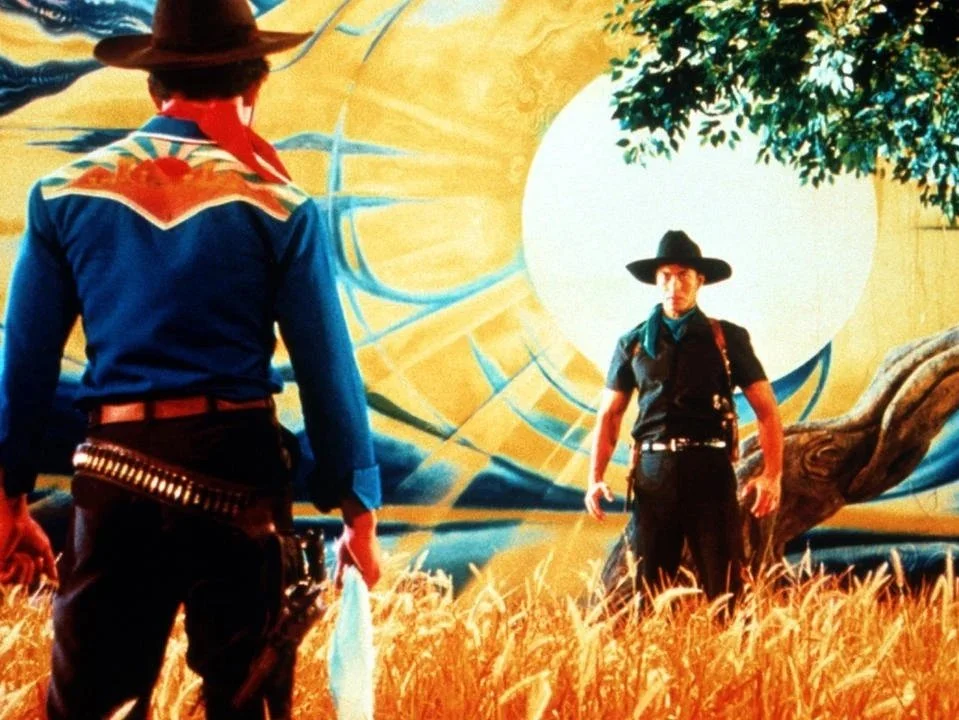
This post is part of a series of essays that emerged from Henry Jenkins’ doctoral seminar on global genres at the University of Southern California. In this contribution, Art Tavana explores Tarantino’s punk ethos in Kill Bill, Vol 1 and Kill Bill, Vol. 2 to argue that Vol. 1 is a joyfully punk distillation of Tarantino’s core gestures as a filmmaker: excess, repetition, pastiche, exploitation, and provocation.

Read More

GLOBAL GENRES—Kaiju Connections: Disabled Ecologies, Visibility, the Posthuman, and Transnationality in Pacific Rim

GLOBAL GENRES—Kaiju Connections: Disabled Ecologies, Visibility, the Posthuman, and Transnationality in Pacific Rim

This post is part of a series of essays that emerged from Henry Jenkins’ doctoral seminar on global genres at the University of Southern California. In this contribution, Joy Hannah Panaligan explores the relationship between the kaiju genre and disability in Pacific Rim (2013) by Guillermo del Toro, which veers away from traditional kaiju narratives of national trauma. This kaiju invasion instead demands collective, global action and cooperation, allegorizing universal problems like climate change. This post draws on Sunaura Taylor’s (2024) concept of disabled ecologies to map out how kaiju films can examine the invisible and visible “disabilities” embedded in human and non-human actors within the ecological system.

Read More

GLOBAL GENRES—Introduction: Film Genre in the Age of the Global Shuffle

GLOBAL GENRES—Introduction: Film Genre in the Age of the Global Shuffle

When a little more than a year ago I was invited to teach a course in film genre at the USC Cinema School, my first reaction was that I was born to teach a core class in American film genre. I could teach a class taking contemporary PhD students through the history of genre criticism and watch a mix of genre films – canonical and deep cuts, old and new.

But the more I thought about it, the more I realized that the next wave of important work in genre theory would be coming through an engagement with the global production and circulation of genre films, the mutual influence of genre across the planet.  And so, without even fully knowing what I might mean by it, I proposed teaching a course on “film genre in the age of the global shuffle”.

Over the next few posts, Pop Junctions will share a collection of essays that emerged from this course. This post provides an introduction to this series of posts to provide context to the questions that continue to face genre studies today.

Read More