Inhabited Narrative: From Participatory Culture to Living Storyworlds

Inhabited Narrative: From Participatory Culture to Living Storyworlds

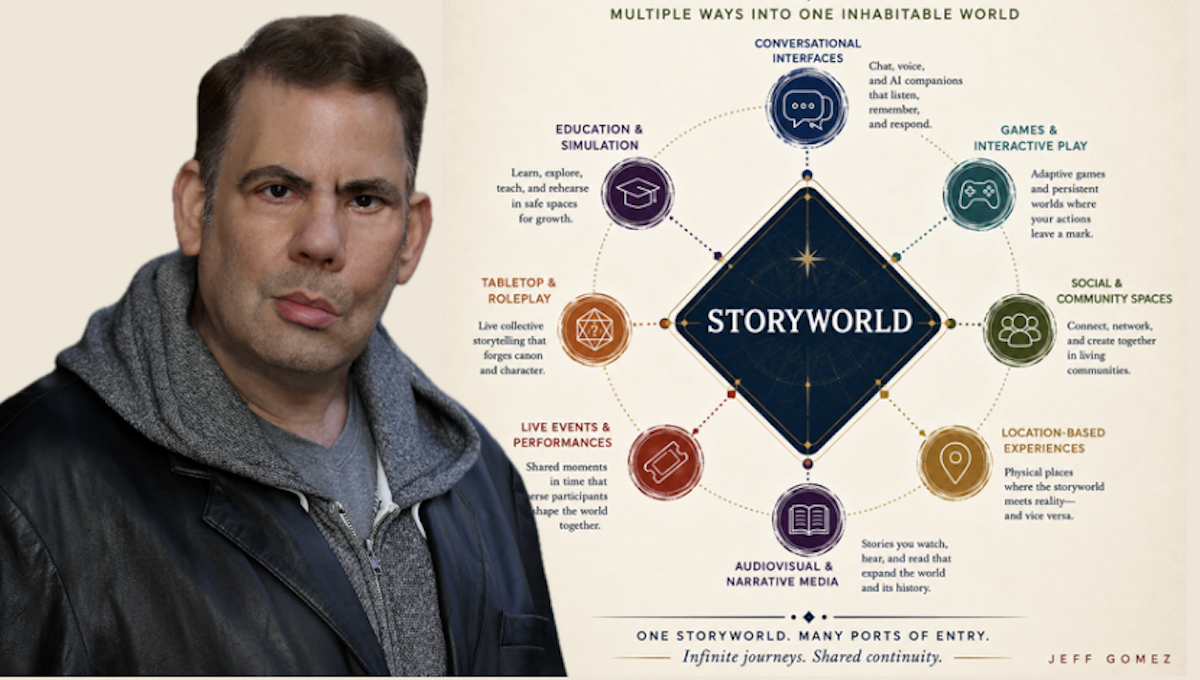
Participatory culture transformed audiences into active contributors, but conversational AI and generative systems are beginning to reshape participation into something more enduring: inhabitation. This essay argues that we are witnessing the emergence of a new narrative medium in which people develop persistent relationships with responsive storyworlds that remember, adapt, and evolve alongside them. Drawing on decades of work in transmedia storytelling, tabletop roleplaying, and franchise architecture, Jeff Gomez introduces the concepts of the Mythic Field and upstream authorship to explore how coherent systems of meaning can persist within inhabitable worlds. As storyworlds become places where people rehearse identity, relationships, and values, the challenge shifts from simply expanding stories to intentionally designing worlds worthy of being inhabited.

Read More

Hiring a "Virtual Boyfriend": Chinese Cosplayer Construct Authenticity and Romantic Fantasies in Cosplay Commission

Hiring a "Virtual Boyfriend": Chinese Cosplayer Construct Authenticity and Romantic Fantasies in Cosplay Commission

At an event centered on Chinese otome games (dating games aimed at a female audience), I cosplayed as a male game character and was asked several times if I would accept cosplay commissions — getting paid to cosplay as someone’s favourite character and going on a date with them. Cosplay commission is an emerging practice within Chinese fandom, where clients hire cosplayers to perform as characters in animation, manga, and games, simulating romantic or friendly relationships and dating them in real life. It usually happens in shopping malls, on the streets, in art galleries or in restaurants. This post explores the surprising mix of parasocial relationships and authenticity of cosplay commissions, drawing on both participant observation and semi-structured interviews with multiple female cosplayers.

Read More

Captain Nemo: A Swap Story, or Why We Can’t Barter Our Way to a Better World

Captain Nemo: A Swap Story, or Why We Can’t Barter Our Way to a Better World

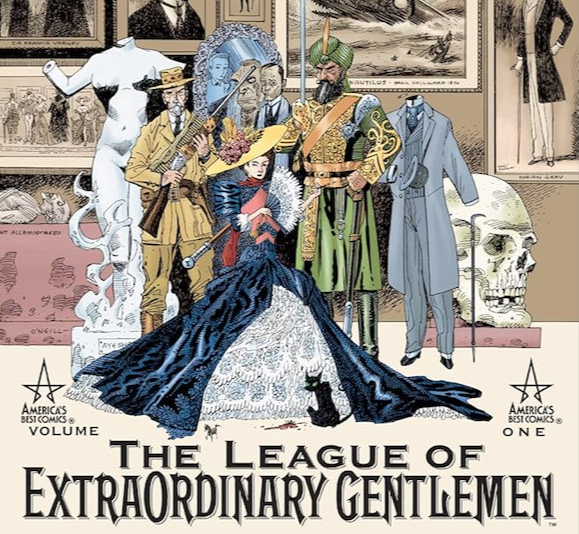
Ellen Kirkpatrick dives into the character of Captain Nemo, particularly Alan Moore and Kevin O’Neill’s gender-swapped version. She argues that story is the beating heart of social action, helping us to envision a just and equitable world. Yet it’s not enough to simply observe how mainstream stories shape or constrain our imagination of what is possible; we need to dig deeper into how they work. Method doesn’t always marry up with message. As Kristen Warner’s idea of “plastic representation” points out, mainstream media often privileges surface over meaningful substance. Such is often the case with "genderswap" stories like Janni Dakkar's journey into becoming the new Captain Nemo.

Read More